Edge computing has been seen as complex and expensive for a long period of time. It was generally reserved only for large companies that had specialized hardware. Nowadays, the perception has changed. Companies across the UK have discovered that flexible systems that are low-cost are able to produce impressive results without excessive complexity.
The rise of platforms that combine simplicity and scalability is at the heart of this revolution. An edge computing solution UK businesses can count on now looks very different from conventional setups. Instead of relying only on central data centers companies are moving their processing closer to the place where data is created.
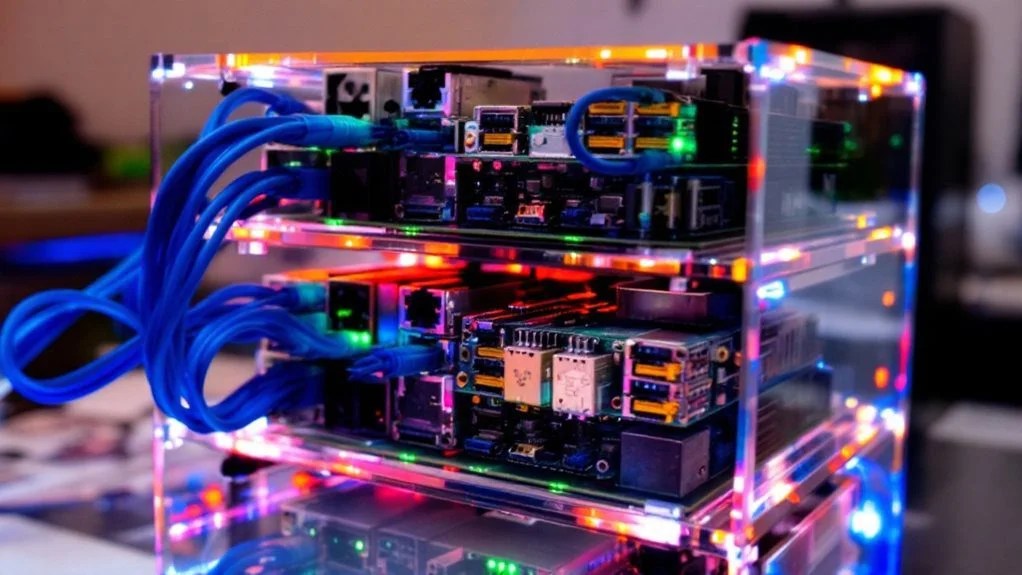
This improvement in speed lowers latency, and opens up opportunities for real-time decision-making.
Small Devices and Enterprise Systems
The Raspberry Pi’s reputation as a tool for education has changed dramatically. What was once seen as a gadget for hobbyists is now being used to power real-world infrastructure in fields like manufacturing logistical, logistics and smart environments.
Businesses can turn an individual device, like ScalerPi into a more coordinated, larger system by using platforms like ScalerPi. The Raspberry Pi production model allows for multiple units working together to create a distributed and strong system.
This lets you increase the size of a prototype to thousands of connected devices that all work together.
Kubernetes is bringing Kubernetes up to the Edge
Modern infrastructure is based on orchestration tools and containerized apps. Kubernetes is one of the management tools which has become a standard in these environments, presents certain new challenges when operating at the edge.
An on-premise kubernetes solution provides a way to maintain control while still benefiting from the flexibility of container orchestration. Businesses can deploy and manage their own systems, instead of completely relying on cloud providers.
It permits the creation of a balance between control and performance. Companies can further tailor their infrastructure to meet the specific requirements of their operations. ScalerPi bridges that gap by combining the hardware knowledge of ScalerPi with modern software techniques. This makes sophisticated deployments less expensive.
What is the reason Data Sovereignty Gains Importance
In a time of ever complex data regulations, companies must be more aware of the place where data is stored and processed. Cloud providers are usually outside, which may raise concerns over compliance and control.
The UK is able to use the cloud of sovereigns to keep high performance, while keeping data inside the nation’s borders. This will ensure sensitive data stays protected and is in compliance to local regulations.
Companies can improve flexibility and accountability by integrating edge computing within their sovereign infrastructure. Data is processed closer to its source but is still managed in a controlled environment.
Simpler deployment of complex deployments
managing large numbers of devices is a major issue in edge computing. As deployments increase it becomes more difficult to ensure consistency, security and performance.
ScalerPi offers a full range of services, including hardware supply and management and also consultancy. This model integrates all of the above and allows teams to concentrate on their application rather than the underlying infrastructure.
A solution for edge computing that UK businesses can rely on shouldn’t necessitate constant manual input. Instead, it should offer the tools needed to automatize processes, monitor performance and ensure the reliability of every device.
Building Systems that Scale With confidence
Planning is vital to ensure that you can scale from a prototyping phase to production. Each step presents new challenges, ranging from the choice of hardware, software integration and ongoing maintenance.
Through the creation of a standardized framework for growth, using a Raspberry Pi production cluster use strategy can make the change simpler. Devices can be added, or changed without affecting the system, allowing companies to expand at their own pace.
This flexibility is especially valuable for businesses that are trying out the latest technologies or attempting to enter new markets.
Flexible and controlled future
The future of infrastructure is moving toward systems that are open as well as flexible and efficient. Companies don’t want to be bound by rigid systems which limit their creativity.
With tools like an on-premise Kubernetes solution as well as a sovereign cloud service UK companies gain more control over their operations and data. These technologies, when combined with the scalability, flexibility and adaptability of Raspberry Pi clusters, provide the foundation for long-term expansion.
Moving forward with Edge Innovation
Edge computing has emerged as an efficient solution to many of today’s challenges. Companies can design systems that are powerful and efficient, combining cheap hardware, advanced software, and other techniques.
ScalerPi continues to help businesses overcome the barriers between physical devices and cloud computing. It provides edge computing to all organizations through an intelligent design, dependable deployment, and a flexible structure.
As more companies explore the possibilities distributed systems could offer, their ability to scale effectively and safely will determine success in coming years.
