A park district approves the provision of funds for an updated public toilet. The project team has selected the location, the building appears to be suitable and is now ready to move forward.
The contractor is then able to look over the site. There is a water issue on the site proposed. Utility connections may be further away than anticipated. Delivery vehicles may face difficulties getting to the site of installation, and the building layout may not be compatible with the available space.
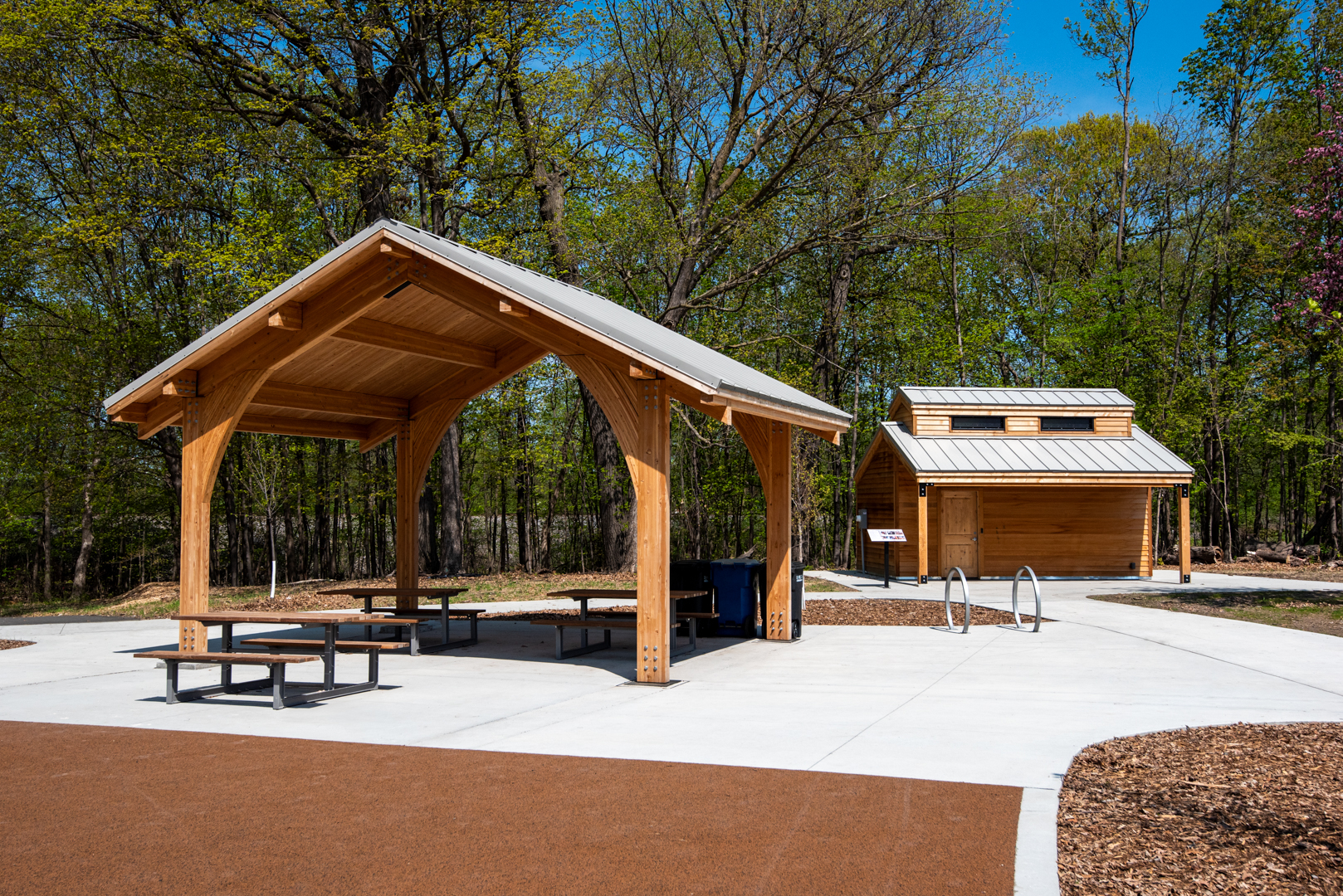
Image credit: romtec.com
These issues do not always mean that the project can’t continue. But, they could result in redesigns, extra costs, or construction delays. For public entities and developers the bathroom project is much more manageable if site conditions influence the building choice from the start.
Drawings of buildings aren’t telling the entire story
The project teams must consider the building’s capacity prior to selecting the prefabricated park restroom. The slope of the land soil, drainage and soil conditions as well as the accessibility to utilities and construction could all have an impact on installation.
If a bathroom will be built close to a play area It may be necessary to connect the restroom with existing water and sewer infrastructure. If the existing infrastructure isn’t in place, or if it is expensive to expand those connections, a new sanitation procedure could be required.
The foundation and the location of the building must be able to accommodate the applicable codes, accessibility requirements, and site-specific conditions. It is possible that a typical construction layout appears appealing on paper but requires significant adjustments after these factors have been considered.
Urban Projects are subject to their own constraints in the area of construction
Installing sidewalk restrooms involves more than finding enough space for a compact structure. Along sidewalks are underground utility lines, pedestrian routes and street furniture. Construction activities can also require coordination with local authorities.
A bathroom that is too close to a utility line may cause problems with excavation or foundation work. Accessibility is another factor to take into consideration. The entrance and the surrounding area must be planned in accordance with any applicable requirements.
Romtec offers custom-designed ADA focused single-user restrooms, including options for placement of door and sink. The team can plan for public use as well as addressing physical restrictions.
There is no sewer Connection? Think about the Alternatives
Remote recreation sites pose unique challenge for infrastructure. A trailhead might be far away from the closest sewerage source which means flushing toilets aren’t feasible.
If they are located in the right places in the right locations, vault toilets offer an option to use water without. These facilities do not use the sewer system to move water, but instead they collect it in a holding tank which needs to be maintained regularly.
The selection of vault toilets doesn’t completely eliminate the need for the site’s planning. The project must be built in suitable soil conditions, access to equipment that can be serviced safely with adequate ventilation and respect for environmental regulations.
Romtec’s Sweet-Smelling Technology (SST) is utilized to design waterless vault toilets. This helps manage odors by ventilation. Selecting the sanitation system prior to construction can prevent costly changes to the layout of the building later.
The coordination of construction begins prior to delivery.
Prefabricated construction is frequently misinterpreted as pre-decided by the manufacturer. However the coordination of project is still essential to prepare the site, utilities connections access, local approvals and accessibility. Romtec approaches these projects through custom-designed building kits and design services instead of using only pre-designed, standard-sized structures.
The firm works closely with landscape architects, project owners, and contractors to match the specifications of construction to site requirements. This is especially beneficial when the restroom needs to be in line with the existing architectural style, or accommodate unique properties.
By asking better questions, you to create a better product
Before approving purchases for restrooms the owners must establish how the facility will receive utilities, how construction equipment will reach the facility and what approvals are required.
It is essential to determine if the chosen sanitation system is able to handle the volume of people expected to visit and if the facility will still be able to be used without major infrastructure changes.
These kinds of questions aren’t as exciting than architectural and exterior elements, but they could be more influential on the cost of the project and timeframe.
Bathrooms for public use that are successful don’t just complete the project in time. The structure, the site infrastructure as well as the construction process and its intended use are all considered. The finished bathroom is more efficient if these decisions are made in advance.
