If you draw circles around the lift station in the format of a civil map it is easy to envision it as a piece self-contained equipment.
In reality, water arrives from somewhere, flows through the station, and goes on to another location. Access, power, control access to the site structural elements and connections to the infrastructure around are also essential.
Project teams looking for the most effective lift station designers A good question to ask is whether the engineering considers those interfaces not merely what happens inside the station.
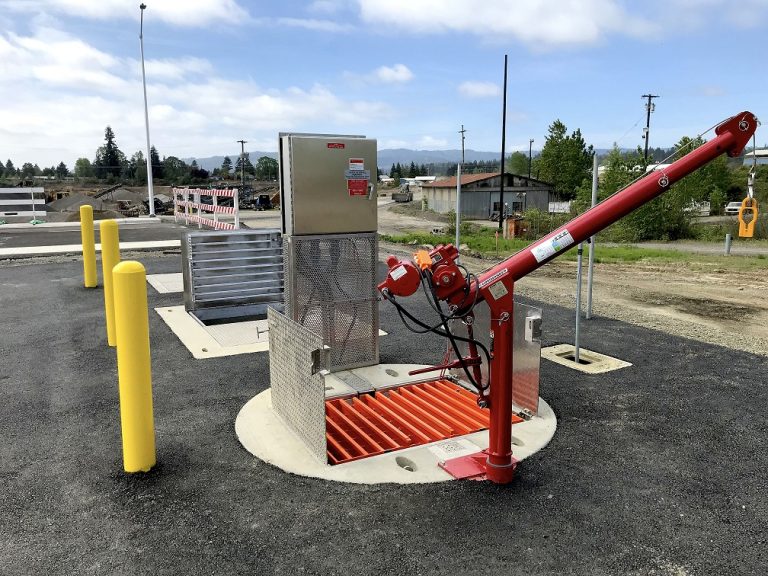
Image credit: romtecutilities.com
Commence upstream from the Wet Well
Consider, for instance, a brand new residential building. The wastewater flows through the system of collection to the lift station. The station’s capacity is determined by the inflow flow and elevation of the site.
Once wastewater reaches wet wells and another set of engineering choices are made. Pumps and pipes, valves and controls, structural elements, and possibly additional components must be appropriate for the purpose.
Romtec Utilities designs wastewater systems for municipal, commercial, and industrial sites as well as applications for development.
The specific approach to a project is important since changing the process upstream could affect what the pumping plant must accomplish.
Keep an eye on the water that is beyond the pumps
The engineering issue doesn’t cease after the liquid has left the well. The pumping system is required to transfer the liquid against hydraulic conditions in the downstream system. The flow requirements and head conditions determine the choice of pump and station arrangement.
That connection is particularly important when evaluating the best wastewater designers. The specifications of a pump are amazing, but their effectiveness must be considered within the whole hydraulic system.
Romtec Utilities can design the mechanical, structural, electrical, and communication elements of a pumping station as an integrated unit, assisting ensure that the equipment is in line with the specifications of the particular project.
Stormwater has its own network of connections
Stormwater infrastructure is different. The runoff could enter a collection system through developed surfaces, and then travel to treatment, detention, or drainage infrastructure. Stations that require pumping are part of a bigger stormwater management plan.
When organizations are looking for the best stormwater system designers, they should consider evaluating the condition of the site, the flow rate, head requirements and environmental factors together.
Romtec Utilities supplies customized stormwater pumping systems for residential, commercial industrial, municipal, and residential projects instead of relying upon one system for every application.
Coordination Extends Above Ground Too
Not all interfaces require pipe. Electrical service is essential to help support equipment. Control and communication systems must be adapted to project requirements. Contractors require appropriate plans and documents. Installation, startup and even service could require physical access.
The system documentation is especially valuable because these connections may be involving multiple disciplines and people. Romtec Utilities provides complete plan sets as well as associated documentation for projects and can support its systems by assisting with starting, testing and commissioning.
See Beyond the Station Boundary
Even the lift station is properly designed, it may remain a component of an uncoordinated plan if the external connections aren’t correctly considered.
A better design perspective is one that follows the water. Where is it originating? How does it get to the station? What do it need to do once there? Where will it go? What infrastructure is required for the entire process work?
The answers to these questions transform lift station design from an equipment project into an infrastructure engineering.
