A restaurant’s owner opens the monthly P&L examines sales, skips down to the bottom line, and then closes the report.
Sounds familiar?
It could be an amazingly precise report, but by only examining those two numbers, it leaves a lot of its worth to be debated.
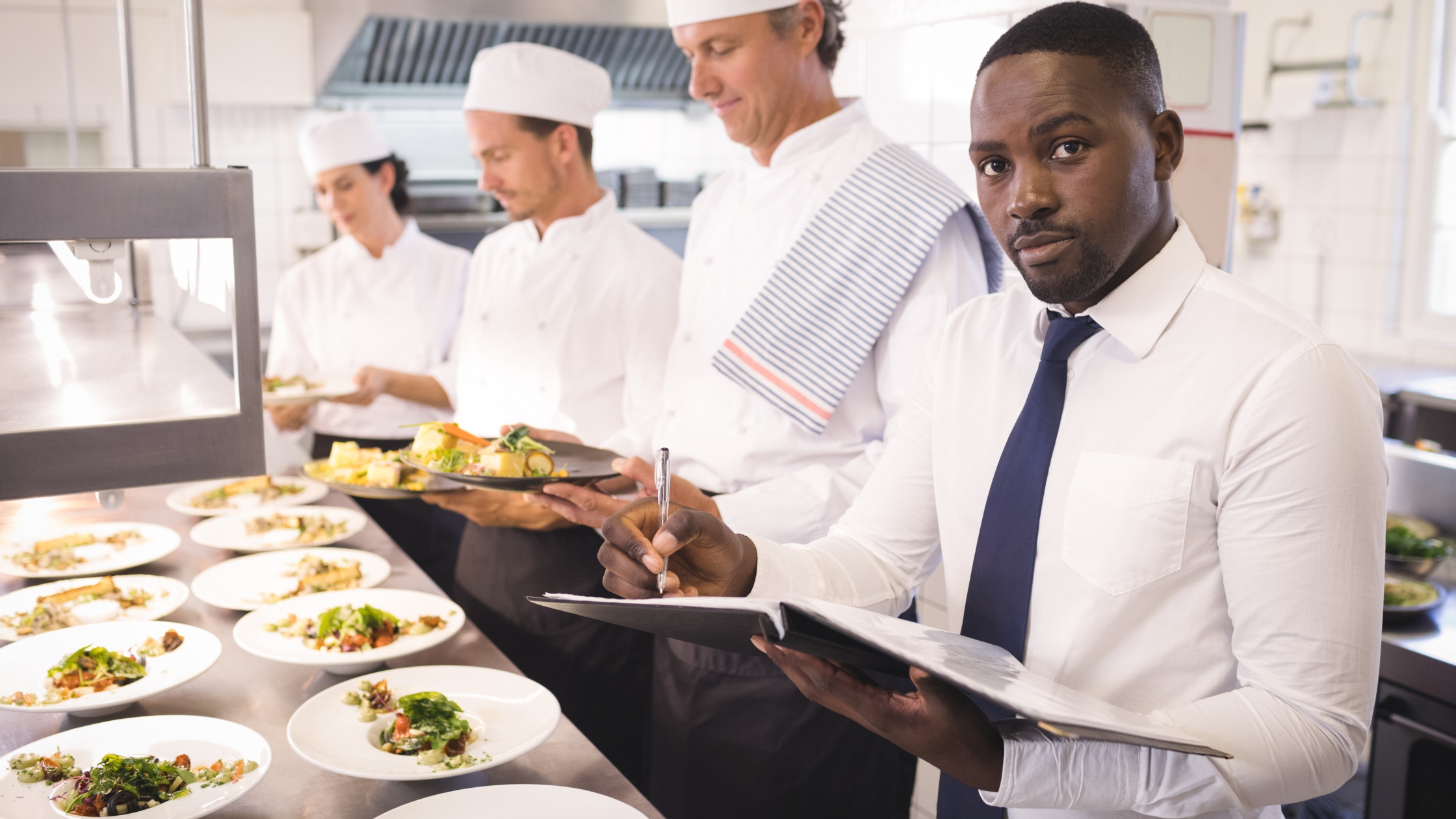
Good restaurant bookkeeping shouldn’t make owners more dependent on an accountant. It should help them feel confident in their own financials. It’s not necessary to stay up all night entering invoices or knowing every accounting principle. It is important to know how profit has changed in relation to food and labor costs and the questions that should be addressed next week.
This is the concept behind Bookkeeping Chef: automate the bookkeeping work that doesn’t require a proprietor’s time, while providing restaurant owners with clearer financial information they can actually utilize.
Do Not Stop at the Month-End Numbers. Start by calculating Weekly Numbers
A monthly P&L is crucial, but restaurants aren’t operating monthly. This week, managers are planning their activities. The chef has ordered food for today. Vendors change prices now.
Bookkeeping Chef offers weekly flash reports on costs of the day along with monthly financial statements.
The prime cost comprises two important areas which can be quickly transported in a restaurant establishment: cost of goods sold, and the cost of labor. The information provided by the Bookkeeping Chef shows that the prime cost typically accounts for 60% of sales in restaurants.
Think about a situation where sales aren’t even changing and the costs of primary production are increasing. This percentage does not provide an answer. It gives the owner a reason to investigate.
Did the hourly wage increase? Did overtime happen? Changes in food costs? Was the invoice of a vendor unusually high? Did sales mix changes?
This is much more helpful than finding the same issue two weeks later.
Let Automation Handle the Repetitive Work
DIY bookkeeping doesn’t have to mean manually transferring POS amounts into spreadsheets after the.
Automating the bookkeeping processes of restaurants can help eliminate repeated data movement. It connects to various systems, including POS and QuickBooks, payroll, vendor platforms inventory management and recipe management, as well as AP/payment tools.
The purpose is not to automate to achieve its own ends.
The goal is to eradicate the need for manual data entry and keep financial records up-to-date so that the owners are able to spend more time reviewing the information instead of assembling it.
This is a completely new way of bookkeeping for restaurants. The software will take care of the mechanical aspects, but the owner is still involved with the financial implications.
P&L Questions: Learn to Ask More Effective Questions
When you stop treating the P&L as a type of test, it will become less daunting.
Start with sales. Examine the costs necessary to achieve the sales. Compare the food and beverage performances. Examine the cost of labor. Examine labor.
Comparing periods is important.
If the sales increased, but the profit was not, something between the two lines has changed. What did happen when prices for food went up? Examine the staffing levels and sales activities if labor percentages changed. Investigate if a number seems odd, rather than assuming that the restaurant had a bad period.
Bookkeeping Chef delivers monthly P&Ls with five working days. This allows owners to view recent performance without waiting for financial statements which often arrive months later than the close of the operating period.
If you are a restaurant owner looking for bookkeeping solutions, speed is a must however understanding is the greater aim.
DIY doesn’t have to mean Doing Everything Yourself
There’s a middle-ground between delegating the entire accounting function to a third party and establishing yourself as your own full-time bookkeeper.
An owner can stay engaged without having to manually complete each accounting task.
This could mean the use of automated systems to keep track of the flow of information, examining an annual P&L and a weekly report on primary expenses, or asking questions if something unexpected occurs.
Specialized restaurant bookkeeping can help in this manner by keeping the books in order and helping the restaurant owner understand what they mean.
It is very unlikely to end up with an accountant that can do all of the functions.
It’s an owner who can sit down with an P&L and have an intelligent conversation about their business.
The aim of financial independence is not to produce additional reports, but to achieve financial freedom
Restaurants are a major source of data. Dashboards don’t always make sense.
Real value occurs the moment an operator opens the P&L report, be aware that there is a change, and then review the report on the primary cost.
Bookkeeping Chef’s method combines restaurant financial support, daily reporting, and automated restaurant bookkeeping to accomplish this.
Automate repetitive work. Review prime costs every week. Know the language that is used in your P&L.
You don’t have to become an accountant.
You must become a restaurant owner who is aware of the financial story of your own restaurant.
